
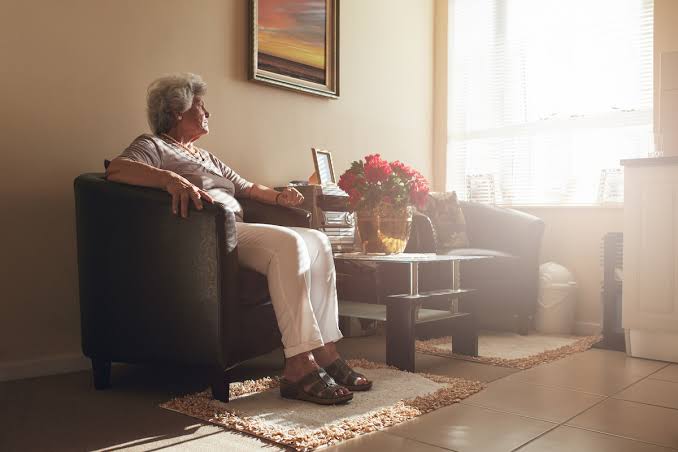
An increasing number of independent older adults are choosing to age in place in their own homes. For adult children—especially those balancing demanding careers, raising children of their own, or living in a different city or state—supporting a parent’s desire for independence is a priority.
However, when an aging parent lives by themselves without a spouse or a local co-resident, they enter a vulnerable operational dynamic: the Single-Point-of-Failure Risk.
In corporate strategy or systems engineering, a single point of failure refers to a single component whose malfunction disables the entire system. In elder care, a solo senior represents that exact risk. When an aging adult manages household logistics, medical appointments, nutritional needs, and property upkeep completely alone, even a minor daily glitch—a bout of the flu, a missed medication dose, a blown fuse, or a minor slip—can rapidly cascade into an emergency simply because no one is on-site to notice the early warning signs.
Understanding how to identify and neutralize these single-point risks allows family advocates to construct a resilient, dignified local safety framework for solo seniors long before a crisis occurs.
The Hidden Vulnerabilities of the Solo Senior
Living alone is not inherently unsafe, but without a structured backend support network, routine daily tasks can quietly become major operational hazards.
1. The “Silent Fall” and Delayed Response
While physical balance and joint health are obvious priorities, the greatest danger of a fall for a solo senior is not the impact itself—it is the time spent on the floor afterward. If a fall occurs outside the reach of a telephone or personal emergency response button, an independent senior can remain immobilized for hours or days, leading to severe dehydration, muscle breakdown (rhabdomyolysis), and acute trauma.
2. Administrative and Mail Overload
Modern household logistics—managing property taxes, tracking medical insurance Explanation of Benefits (EOB) forms, processing utility bills, and filtering aggressive junk mail or telephone solicitations—require high levels of executive focus. Solo seniors often become overwhelmed by incoming correspondence. Without a co-resident to help filter mail, important notices are frequently misplaced, resulting in lapsed insurance coverage or accidental utility disconnections.
3. Nutritional Apathy and “Cooking for One”
Proper nutrition is a foundational requirement for physical stamina and cognitive clarity. However, preparing balanced, fresh meals for one person requires significant effort. Solo seniors frequently slip into nutritional apathy, relying on light snacks, processed canned goods, or skipping meals entirely. Over time, subtle malnutrition causes rapid muscle wasting (sarcopenia), worsening balance, and increasing fall susceptibility.
4. Environmental Maintenance Gaps
Basic home maintenance—changing overhead light bulbs, moving heavy garbage bins to the curb, clearing ice from walkways, or lifting salt bags for water softeners—presents continuous physical risks. Independent seniors often attempt these risky tasks out of pride or a desire not to “bother” their busy children, resulting in unnecessary injuries.
Building a Resilient Local Safety Framework
Securing a solo senior’s safety does not mean forcing them to move into an assisted living facility or stripping away their independence. Instead, it involves building a proactive, corporate-grade operational infrastructure around them that absorbs daily friction while leaving them fully in control of their lives.
1. Implement Non-Intrusive Ambient Safety Technology
Traditional emergency call pendants are only effective if worn, but many seniors leave them on nightstands or refuse to wear them due to the social stigma of feeling “frail.”
Modern safety design utilizes ambient, non-intrusive sensor networks instead of cameras or wearables. Passive motion sensors placed in key areas (such as the bathroom, kitchen, and hallway) establish a baseline of normal daily activity. If the system detects no movement during a routine morning window, it automatically sends a discreet alert to a care manager or family member, enabling a rapid wellness check without invading the senior’s privacy.
2. Professionalize Home Maintenance and Property Logistics
Remove physical hazards by automating and outsourcing all high-risk domestic chores. Establish a recurring schedule with vetted local vendors for:
- Seasonal yard maintenance, leaf clearing, and snow removal.
- Heavy indoor tasks, such as light bulb replacements, air filter swaps, and deep cleaning.
- Automated grocery delivery or weekly fresh meal service tailored to their dietary requirements.
3. Centralize Administrative Guardrails
Protect your parent’s financial and legal stability by establishing clear administrative oversight. Transition utility bills, property insurance, and recurring medical expenses to automated electronic payments. Set up a centralized, shared family calendar to track upcoming medical appointments, prescription refills, and maintenance visits, ensuring no detail slips through the cracks.
4. Separate Long-Distance Family Love from Local Emergency Management
If you live in a different city or state, managing an aging parent’s daily care from afar creates continuous background anxiety. Trying to troubleshoot a broken furnace or coordinate an urgent doctor’s visit via long-distance phone calls during your workday is inefficient and exhausting.
Partnering with a local, professional care manager provides an immediate on-the-ground operational buffer. A dedicated local liaison can conduct regular in-person wellness visits, accompany your parent to medical appointments, oversee home repairs, and act as your first responder during unexpected situations.
Secure Ultimate Independence and Peace of Mind with Vanguard
Your parent’s hard-earned independence should be celebrated and protected—not compromised by the fear of living alone. Vanguard Care Solutions professionalizes the senior care architecture, serving as your family’s trusted external operations manager and local advocate.
We eliminate single-point-of-failure risks for solo seniors. Vanguard conducts comprehensive home safety and administrative audits, implements passive safety technologies, manages home maintenance and vendor logistics, coordinates private transportation, and provides on-the-ground check-ins behind the scenes. We absorb the operational friction and distance anxiety, ensuring your parent lives safely and comfortably in their own home while giving your family total peace of mind.