If there is one room in an aging parent’s home where safety concerns and personal dignity collide most violently, it is the bathroom.
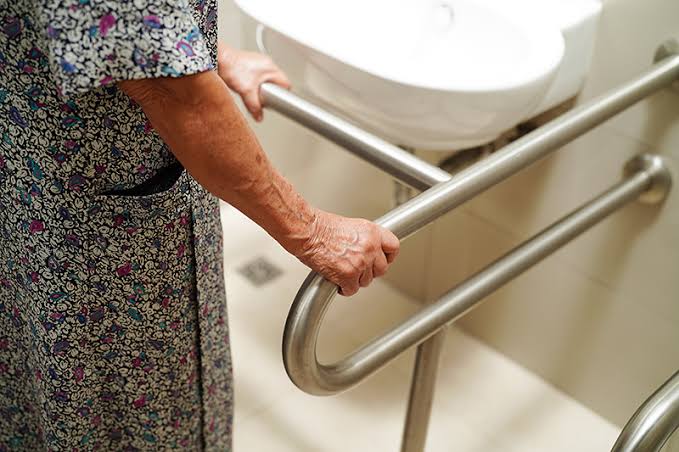
For adult children, the numbers alone are enough to cause sleepless nights: CDC data shows that over 80% of senior falls occur in the bathroom. Slick tile floors, low toilet seats, high tub walls, and wet surfaces create a high-risk environment where a single slip can lead to hip fractures, traumatic brain injuries, or a permanent loss of independence.
Yet, when adult children proactively suggest modifications—like mounting grab bars, installing a shower bench, or introducing personal hygiene assistance—they are frequently met with fierce resistance, tearful arguments, or outright refusal.
To the adult child, mounting a grab bar is a simple, logical safety fix. But to the aging parent, accepting help in the bathroom feels like crossing the final boundary of personal privacy and surrendering their basic adulthood.
To protect your parent without fracturing your relationship, you must learn to navigate the Pride Barrier. By shifting from heavy-handed intervention to subtle, executive environmental architecture, you can eliminate fall risks while keeping your parent’s dignity completely intact.
Understanding the “Pride Barrier” in Personal Care
To overcome resistance, you first need to understand what your parent is actually hearing when you bring up bathroom safety.
From early childhood, we are conditioned to view toilet use and bathing as private, autonomous acts. Maintaining control over these personal functions is a core pillar of self-worth and adult identity. When a child tells an aging parent that they need a elevated toilet seat or a shower chair, the parent rarely registers it as “home improvement.” Instead, they interpret it as:
- “You think I am weak and deteriorating.”
- “You are preparing to put me in a facility.”
- “I am losing control over my own body and private life.”
When faced with these frightening thoughts, resistance is not stubbornness—it is a self-defense mechanism. Telling them “It’s for your own good” or citing fall statistics invalidates their emotional reality, triggering defensive wall-building.
The 3 Strategy Shifts for Dignified Bathroom Safety
Rather than staging an intervention, reframe bathroom safety as a high-end home optimization project. Here is how to cross the “Bathroom Boundary” without triggering a pride-based standoff.
1. Shift from “Elderly Care” to “Universal Design”
Standard clinical hardware—like gray industrial suction bars, plastic medical transfer benches, and bulky raised toilet seats—looks like it belongs in a hospital wing. Installing medical-grade equipment in your parent’s home reinforces the feeling of illness and decline.
Instead, invest in Universal Design architecture:
- Architectural Grab Bars: Replace institutional safety rails with modern, high-grade brushed nickel or matte black grab bars that double as luxury towel racks or toilet paper holders.
- Curbless Walk-In Showers: Frame modifications around modern luxury aesthetics rather than handicap accessibility. A zero-threshold shower with built-in teak seating looks like a five-star spa upgrade, not a physical therapy tool.
- Smart Bidet Attachments: Instead of suggesting hands-on hygiene assistance (which can be deeply uncomfortable for both parent and child), install a heated-seat bidet with a warm-air dryer. It preserves complete personal privacy while drastically improving hygiene and reducing fall risks from over-reaching.
2. Decouple “Safety” from “Aging”
When discussing modifications, frame the upgrades around universal convenience, property value, or physical recovery rather than age-related decline.
- Instead of saying: “You’re getting unsteady on your feet, so we need a bar to hold onto in the tub.”
- Try saying: “I noticed how slick these modern tiles get when wet. We’re updating the fixtures to textured, slip-resistant finishes so no one—including the grandkids—slips when visiting.”
By attributing the changes to environmental hazards (slick tiles, poor builder design) rather than personal frailty, you allow your parent to accept safety upgrades without feeling diminished.
3. Remove Yourself as the “Bathroom Monitor”
One of the fastest ways to erode the parent-child dynamic is to step into the role of a hands-on hygiene monitor. Managing a parent’s private care creates deep role confusion and shame for both parties.
Outsourcing home safety audits, equipment installation, and professional care coordination to a neutral, third-party expert removes emotional friction. Your parent is far more likely to accept recommendations from a professional environmental manager than from their own child.
Engineer a Safe, Dignified Home with Vanguard Care Solutions
You should never have to trade your parent’s safety for their self-respect—nor should you have to play the role of a home inspector in their private sanctuary.
Vanguard Care Solutions professionalizes your parent’s home environment, serving as your family’s dedicated external operations team. We eliminate domestic friction by conducting discreet home safety audits, integrating high-end universal design modifications, and establishing passive safety controls behind the scenes. We ensure your parent’s bathroom—and entire home—remains a safe, empowering haven, preserving their complete dignity and your peace of mind.
➡️ Protect your parent’s independence without compromising their pride. Let Vanguard Care Solutions engineer a proactive, optimized home environment today.