
When a Caregiver Notices a Pattern Others Don’t See

Not all health changes are obvious. Some don’t appear as clear symptoms.They don’t happen all at once.They don’t immediately raise concern. Instead, they show up as small, disconnected moments. A little more fatigue one day.A missed meal the next.A slight change in behavior that doesn’t quite feel the same. Individually, these moments don’t stand out. […]
When Monitoring Isn’t Enough Anymore

Monitoring is one of the most common approaches in caregiving. Watching for changes.Keeping an eye on symptoms.Hoping things improve with time. And in many situations, monitoring is appropriate. Not every change requires immediate action. But there is a point — often subtle — when monitoring is no longer enough. And recognizing that moment can make […]
The Caregiver’s Role Beyond Daily Support
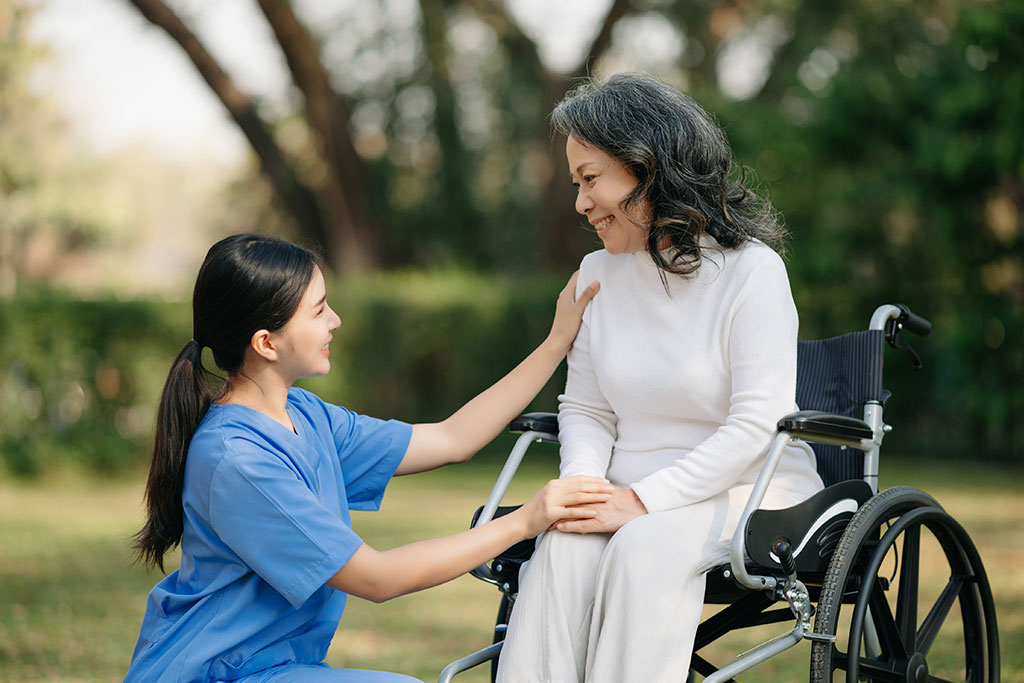
Caregiving is often described in terms of tasks. Helping with meals.Managing medications.Assisting with mobility. These responsibilities are essential. But they only tell part of the story. Because the true role of a caregiver goes far beyond daily support. Caregiving Is Not Just About Doing — It’s About Noticing Most people see caregiving as action. What […]
The Caregiver’s Role in Preventing Hospital Visits
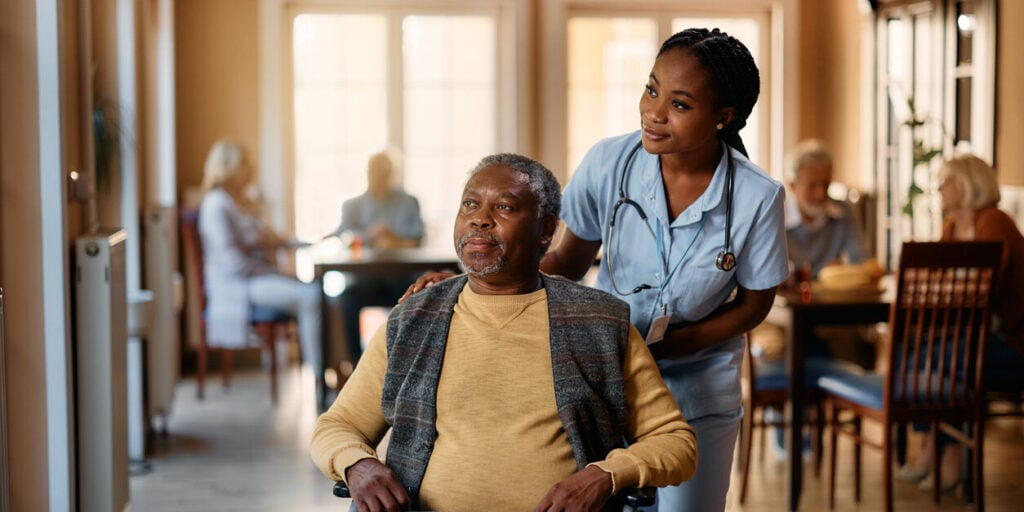
Hospital visits often feel unavoidable. A sudden fall.A worsening condition.A moment where everything escalates. But in many cases, the path to the hospital doesn’t begin in an emergency. It begins at home — in everyday moments where small decisions, observations, and actions shape what happens next. And at the center of those moments is the […]
When Families Notice Problems Too Late

For many families, a health crisis feels sudden. A fall. A hospitalization. A rapid decline that seems to come out of nowhere. In those moments, the most common reaction is: “We didn’t see this coming.” But often, the signs were there. They just didn’t feel urgent at the time. In senior care, problems are rarely […]
The Chain Reaction Behind Health Crises
Health crises often feel sudden. A fall. A hospitalization. A rapid decline that seems to happen without warning. Families are left trying to understand how things escalated so quickly. But in most cases, a health crisis is not caused by a single event. It is the result of a chain reaction — a series of […]
Recognizing the Shift From Stable to At Risk

For many families, a senior’s health seems stable — until it isn’t. One day, everything feels manageable. Daily routines are intact, independence is maintained, and there are no obvious concerns. Then suddenly, something changes. A fall. A hospitalization. A noticeable decline. It can feel abrupt. But in most cases, the shift from stable to at […]
The Moment a Manageable Issue Becomes an Emergency
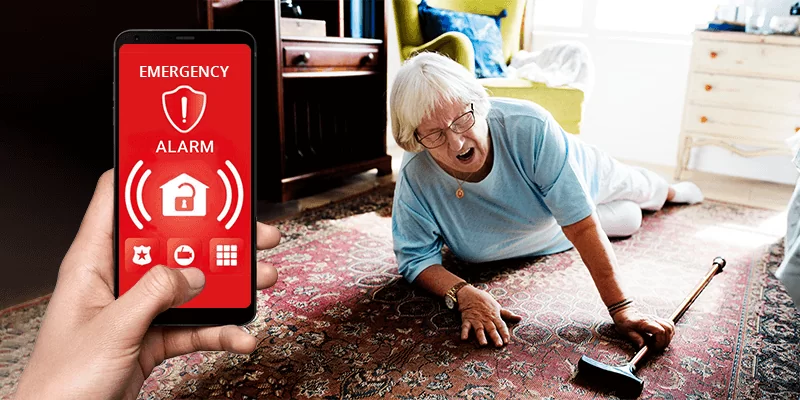
Medical emergencies often feel sudden. A fall, a severe infection, or a sudden decline can shift everything in a matter of hours. Families are left asking the same question: “How did this happen so quickly?” But in many cases, it didn’t happen quickly at all. What appears to be a sudden emergency is often the […]
The Slow Build-Up to an Emergency Room Visit

Emergency room visits often feel sudden. A fall. A sudden illness. A moment where everything changes. For many families, these situations seem to come out of nowhere — one day everything feels normal, and the next, they are facing a medical emergency. But in most cases, emergency room visits are not truly sudden. They are […]
How Environment Impacts Senior Health Stability

When families think about senior health, they often focus on medical conditions, medications, and doctor visits. But one of the most influential factors in a senior’s well-being is often overlooked: The environment they live in every day. A senior’s environment — their home setup, daily surroundings, accessibility, and level of support — plays a critical […]