
As people live longer, more seniors are managing one or more chronic health conditions. Conditions such as diabetes, heart disease, arthritis, COPD, Parkinson’s disease, and dementia often require ongoing attention rather than short-term treatment. For many families, the challenge becomes finding the right balance between medical needs, daily living support, and quality of life.
For seniors living with chronic conditions, home care has become an increasingly valuable option. With the right support in place, seniors can continue living at home while receiving personalized senior care that adapts to their health needs, routines, and preferences.
Understanding Chronic Conditions in Seniors
Chronic conditions are long-term health issues that often require consistent monitoring, lifestyle adjustments, and daily management. Unlike acute illnesses, these conditions do not resolve quickly and may progress over time.
Common chronic conditions among seniors include:
- Diabetes
- Heart disease and hypertension
- Arthritis and mobility disorders
- Chronic respiratory conditions
- Alzheimer’s disease and other forms of dementia
- Parkinson’s disease
- Stroke-related impairments
Managing these conditions involves more than medical treatment. Seniors often need help with daily activities, medication routines, nutrition, mobility, and emotional well-being. This is where personalized home care services play a critical role.
Why Home Care Is Ideal for Seniors With Chronic Conditions
Home care allows seniors to receive consistent support without leaving the comfort and familiarity of their homes. This environment can significantly reduce stress, which is especially important for individuals managing chronic health conditions.

Key advantages of home care for seniors with chronic conditions include:
- Familiar surroundings that promote emotional comfort
- Reduced exposure to infections compared to institutional settings
- One-on-one personalized support
- Flexibility as care needs change
When care is delivered at home, it can be tailored precisely to the senior’s condition, lifestyle, and level of independence.
Personalized Senior Care Makes a Measurable Difference
No two seniors experience chronic conditions in the same way. Symptoms, limitations, and daily challenges vary widely, even among individuals with the same diagnosis. Personalized senior care ensures that support is designed around the individual — not the condition alone.
Personalized care plans may include:
- Assistance with daily living activities
- Medication reminders and routine monitoring
- Mobility support and fall prevention
- Meal preparation aligned with dietary needs
- Companionship and emotional support
As health conditions evolve, care plans can be adjusted to provide additional support or introduce new services, ensuring continuity and safety over time.
Medication Management and Health Monitoring
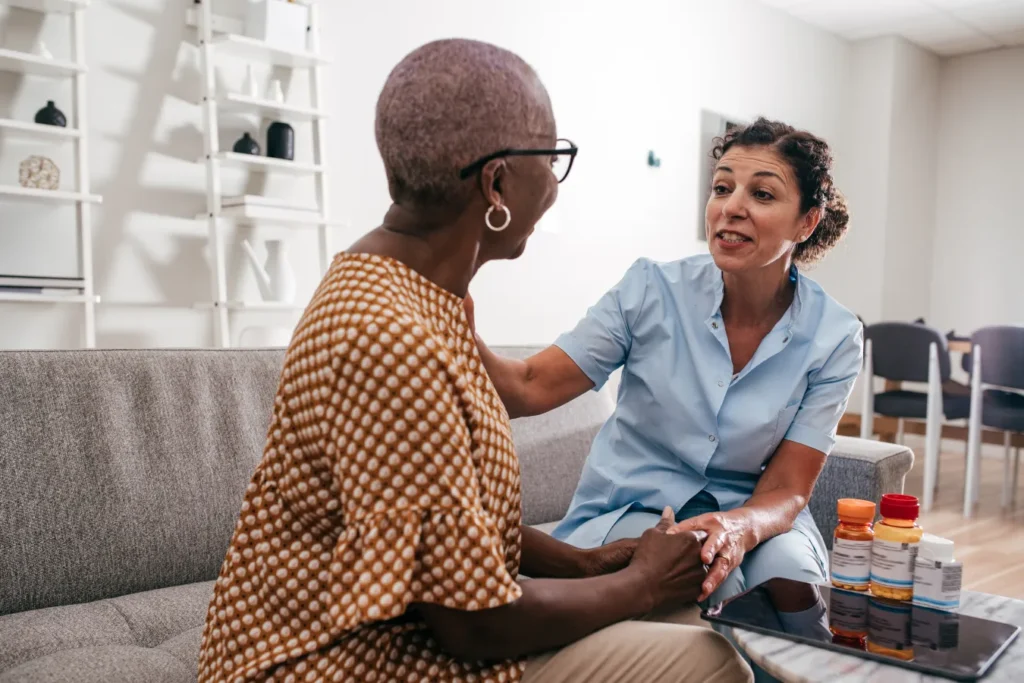
Many seniors with chronic conditions manage multiple medications. This can increase the risk of missed doses, incorrect timing, or adverse interactions. Home care providers play an essential role in supporting safe medication routines.

Caregivers assist by:
- Providing medication reminders
- Observing changes in symptoms or side effects
- Helping seniors maintain consistent routines
- Communicating concerns to family members or healthcare providers
This level of oversight helps reduce hospital visits and supports better long-term health outcomes.
Mobility Support and Fall Prevention
Chronic conditions often impact mobility, balance, or strength. Arthritis, neurological disorders, and cardiovascular conditions can increase the risk of falls — one of the leading causes of injury among seniors.
Home care services focus on safety by:
- Assisting with transfers and movement
- Supporting the use of mobility aids
- Reducing fall risks within the home
- Encouraging safe daily activity
With proper support, seniors can remain active while minimizing the risk of injury.
Nutrition Support for Chronic Condition Management
Proper nutrition is a cornerstone of managing chronic conditions. Seniors with diabetes, heart disease, or gastrointestinal issues may require specialized diets, while others may struggle with appetite, meal preparation, or grocery shopping.
Home care providers can assist with:
- Meal planning based on dietary guidelines
- Meal preparation and hydration support
- Encouraging regular, balanced meals
- Monitoring changes in eating habits
Consistent nutrition support helps maintain energy levels, manage symptoms, and improve overall well-being.
Emotional Well-Being and Companionship
Living with a chronic condition can take an emotional toll. Seniors may experience frustration, anxiety, or isolation, particularly if their condition limits social interaction or independence.

Companionship is a vital component of quality senior care. Home caregivers provide:
- Social interaction and conversation
- Emotional reassurance
- Engagement in daily routines and activities
- A consistent, trusted presence
This emotional support contributes significantly to mental health and overall quality of life.
Supporting Families Caring for Seniors With Chronic Conditions
Family caregivers often shoulder a heavy burden when supporting a loved one with a chronic illness. Balancing work, family responsibilities, and caregiving can lead to stress and burnout.
Professional home care services relieve families by:
- Providing reliable daily support
- Offering professional oversight and consistency
- Reducing caregiver fatigue
- Allowing families to focus on meaningful time together
Having a trusted care partner helps families navigate long-term care needs with confidence.
Planning Ahead as Care Needs Change
Chronic conditions may progress over time, requiring adjustments in care. A proactive approach ensures seniors receive the right level of support at each stage.
Effective senior care planning includes:
- Regular reassessment of needs
- Gradual increases in care when necessary
- Open communication between caregivers and families
- Guidance for future housing placement if required
This continuity reduces disruption and ensures smoother transitions.
How Vanguard Homecare Solutions Supports Seniors With Chronic Conditions
This comprehensive, adaptive approach is at the heart of Vanguard Homecare Solutions. Vanguard Homecare Solutions provides personalized home care services designed specifically to support seniors managing chronic conditions.
By focusing on the individual rather than just the diagnosis, Vanguard Homecare Solutions helps seniors remain safe, comfortable, and independent at home. Their experienced caregivers work closely with families to develop care plans that address physical needs, emotional well-being, and long-term planning.
In addition to home care, Vanguard Homecare Solutions offers trusted guidance for senior housing placement when care needs exceed what can be safely managed at home — ensuring families are supported at every stage.
A Holistic Approach to Senior Care
Supporting seniors with chronic conditions requires more than assistance — it requires understanding, consistency, and compassion. When care is personalized and delivered in a familiar environment, seniors are better equipped to manage their conditions while maintaining dignity and quality of life.
With a focus on senior care, home care, and housing placement, Vanguard Homecare Solutions serves as a trusted partner for families navigating the complexities of chronic condition management.