A cancer diagnosis or the need for long-term medical treatment can be especially challenging for seniors and their families. Chemotherapy, radiation, immunotherapy, and other ongoing treatments often bring physical side effects, emotional strain, and disruptions to daily life. For aging adults, these challenges are compounded by existing health conditions, reduced stamina, and the desire to remain independent.
During this time, consistent and personalized support is essential. While medical teams focus on treatment protocols, seniors often need additional assistance at home to manage daily routines, maintain strength, and preserve quality of life. This is where comprehensive senior care and home care services play a critical role.
Unique Challenges Seniors Face During Ongoing Treatments
Seniors undergoing chemotherapy or long-term treatments experience challenges that extend beyond medical appointments. Treatments can affect energy levels, appetite, cognition, and emotional well-being, making everyday tasks more difficult.
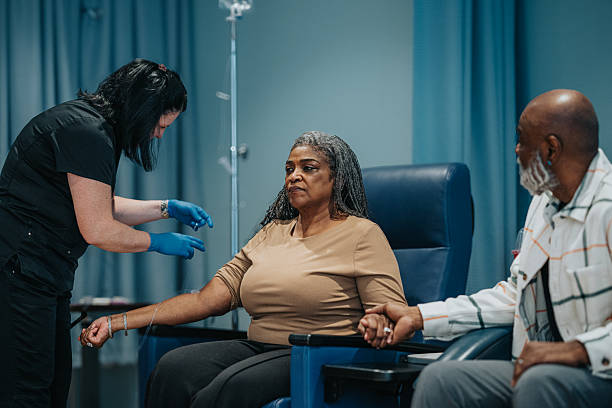
Common challenges include:
- Fatigue and weakness
- Nausea, appetite changes, or weight loss
- Increased fall risk due to dizziness or balance issues
- Difficulty managing medications and appointments
- Heightened anxiety, depression, or emotional distress
For many seniors, even simple activities like preparing meals, bathing, or getting dressed can become overwhelming during treatment cycles.
Why Home-Based Support Matters During Treatment
Recovering or coping with treatment in a familiar environment can significantly reduce stress for seniors. Home-based support allows individuals to maintain routines and comfort while receiving the help they need.
Home care during chemotherapy or ongoing treatment provides:
- Stability and familiarity
- Reduced exposure to illness compared to institutional settings
- One-on-one personalized attention
- Flexibility as treatment side effects fluctuate
Because treatment effects can vary from day to day, adaptable home care services are especially valuable.
Personalized Senior Care During Chemotherapy
No two seniors respond to treatment in the same way. Personalized senior care ensures that support aligns with the individual’s symptoms, energy levels, and preferences rather than applying a one-size-fits-all approach.
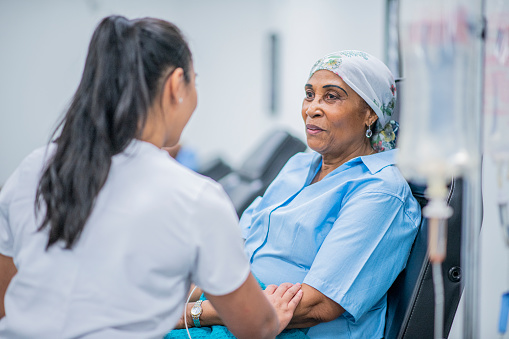
Personalized care plans may include:
- Assistance with bathing, grooming, and dressing on low-energy days
- Medication reminders and routine monitoring
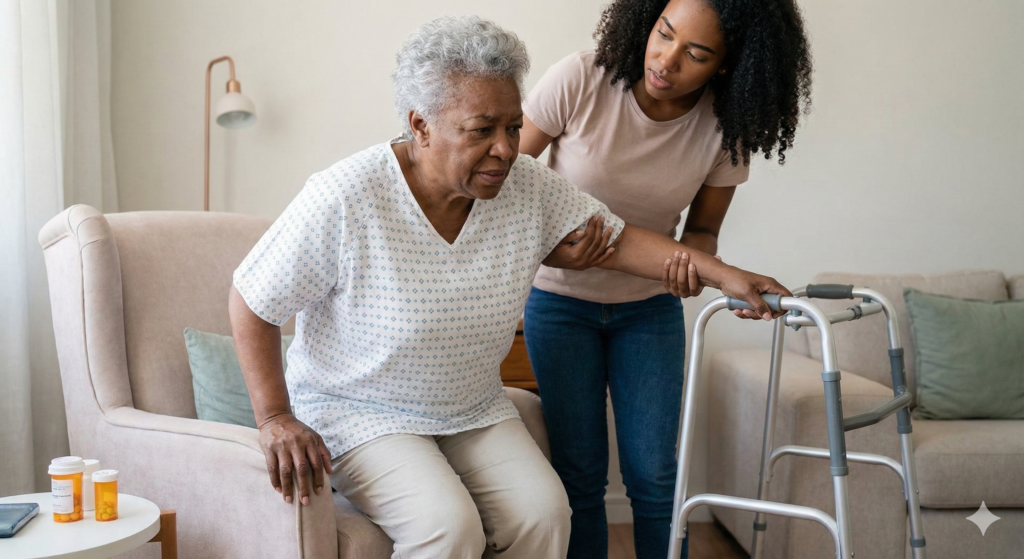
- Support with mobility and fall prevention
- Meal preparation that accommodates taste changes or dietary needs
- Light housekeeping to maintain a clean, comfortable environment
As treatment progresses, care plans can be adjusted to provide more or less assistance as needed.
Managing Fatigue and Energy Conservation
Fatigue is one of the most common side effects of chemotherapy and long-term treatments. Seniors may feel exhausted even after minimal activity, which can lead to frustration and increased fall risk.
Home care providers help seniors conserve energy by:
- Assisting with physically demanding tasks
- Encouraging rest and balanced activity
- Structuring daily routines to reduce strain
- Ensuring safety during movement and transfers
This support allows seniors to focus their energy on healing and emotional well-being rather than exhausting daily chores.
Nutrition and Hydration Support
Proper nutrition is critical during cancer treatment, yet many seniors struggle with appetite loss, nausea, or changes in taste. Inadequate nutrition can weaken the immune system and slow recovery.
Home care support may include:
- Meal planning that aligns with treatment-related dietary recommendations
- Preparing small, frequent meals to encourage intake
- Monitoring hydration levels
- Noticing changes in eating habits and communicating concerns to family members
Consistent nutrition support helps seniors maintain strength and resilience throughout treatment.
Medication Management and Appointment Support
Seniors undergoing chemotherapy often manage complex medication schedules, including prescriptions for pain, nausea, or other side effects. Missed doses or confusion can compromise treatment effectiveness.

Caregivers assist by:
- Providing medication reminders
- Observing side effects or changes in condition
- Helping seniors prepare for treatment appointments
- Offering transportation coordination when needed
This level of oversight supports safety and continuity of care.
Emotional Support and Companionship
The emotional impact of cancer and ongoing treatments should never be underestimated. Seniors may experience fear, sadness, loneliness, or anxiety about their health and future.
Companionship plays a vital role in senior care by providing:
- Emotional reassurance and conversation
- A sense of routine and normalcy
- Encouragement during difficult days
- Reduced isolation, especially for seniors living alone
Emotional support contributes significantly to overall well-being and quality of life during treatment.
Supporting Family Caregivers During Treatment
Family members often step into caregiving roles when a loved one undergoes chemotherapy or long-term treatment. Balancing medical appointments, caregiving duties, and personal responsibilities can quickly lead to stress or burnout.
Professional home care services help families by:
- Sharing caregiving responsibilities
- Providing reliable, trained support
- Reducing emotional and physical strain
- Allowing family members to focus on meaningful time together
This partnership creates a healthier, more sustainable care environment for everyone involved.
When Care Needs Increase Beyond the Home
In some cases, treatment side effects or declining health may require a higher level of care than can be safely provided at home. Recognizing when additional support is needed is an important part of comprehensive senior care planning.
Housing placement options such as assisted living or specialized care communities may offer:
- Increased supervision and support
- Access to structured care environments
- Relief for overwhelmed families
Planning ahead ensures that transitions happen thoughtfully rather than during emergencies.
How Vanguard Homecare Solutions Supports Seniors During Treatment
This holistic approach to care is central to Vanguard Homecare Solutions. Vanguard Homecare Solutions understands that seniors undergoing chemotherapy or ongoing treatments need more than basic assistance — they need compassionate, adaptable support that respects their dignity and changing needs.
Vanguard Homecare Solutions provides:
- Personalized home care services tailored to treatment-related challenges
- Flexible care plans that adjust as energy levels and symptoms change
- Emotional support and companionship to reduce isolation
- Guidance on housing placement options if care needs increase
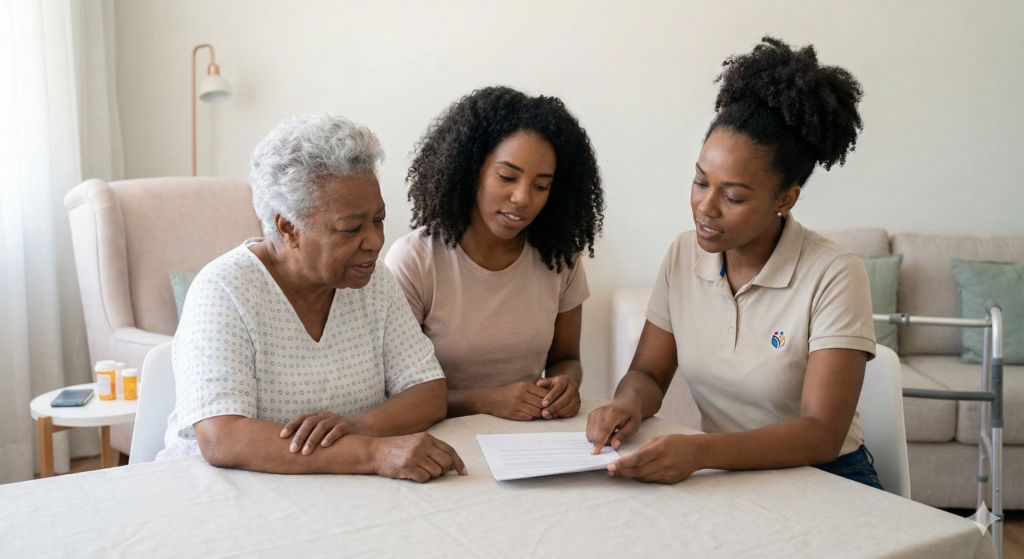
By focusing on both the senior and the family, Vanguard Homecare Solutions ensures continuity, safety, and peace of mind throughout every stage of treatment.
A Supportive Path Through Treatment
Chemotherapy and ongoing medical treatments can be physically and emotionally demanding, especially for seniors. With the right support in place, aging adults can maintain comfort, dignity, and quality of life while focusing on healing.
A thoughtful combination of personalized senior care, home care services, and long-term planning allows families to navigate treatment with confidence rather than crisis. Vanguard Homecare Solutions serves as a trusted partner in this journey — supporting seniors at home, guiding families through care decisions, and ensuring that no one faces treatment alone.