
Managing senior care often feels like a constant balancing act. Between doctor visits, therapy sessions, lab work, and ongoing treatments, medical appointments can quickly take over the calendar. At the same time, seniors still need daily support — meals, medication routines, personal care, mobility assistance, and emotional connection.
For families, coordinating both medical responsibilities and daily care can become overwhelming, especially when caregiving is layered on top of work, family life, and personal obligations. Without a clear plan and adequate support, even well-intentioned caregivers may find themselves stretched too thin.
Balancing medical appointments and daily care requires organization, flexibility, and the right level of professional assistance. When approached thoughtfully, it is possible to support a senior’s health needs while maintaining comfort, dignity, and quality of life.
Why Medical Appointments Increase With Age
As seniors age, medical care often becomes more complex. Chronic conditions, preventive screenings, specialist visits, and follow-up appointments become part of routine life. Many seniors also require physical therapy, diagnostic testing, or ongoing treatment plans.
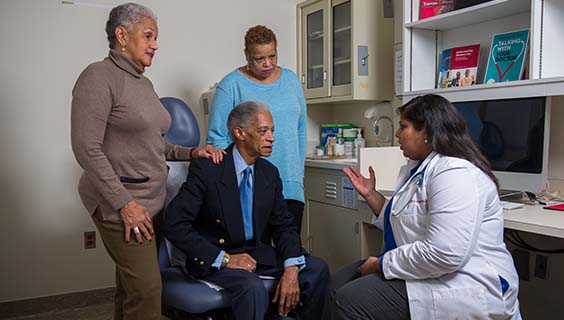
Common appointment types include:
- Primary care and specialist visits
- Physical or occupational therapy
- Lab tests and imaging
- Medication reviews
- Treatment or monitoring appointments
Each appointment requires preparation, transportation, and recovery time — all of which can disrupt daily routines and energy levels.
The Impact on Daily Care and Routines
Medical appointments don’t exist in isolation. They affect how seniors feel physically and emotionally throughout the day. Fatigue, anxiety, or side effects may make it harder for seniors to manage basic daily activities.
Daily care responsibilities often include:
- Bathing, dressing, and grooming
- Meal preparation and nutrition
- Medication reminders
- Mobility and fall prevention
- Light housekeeping
- Companionship and emotional support
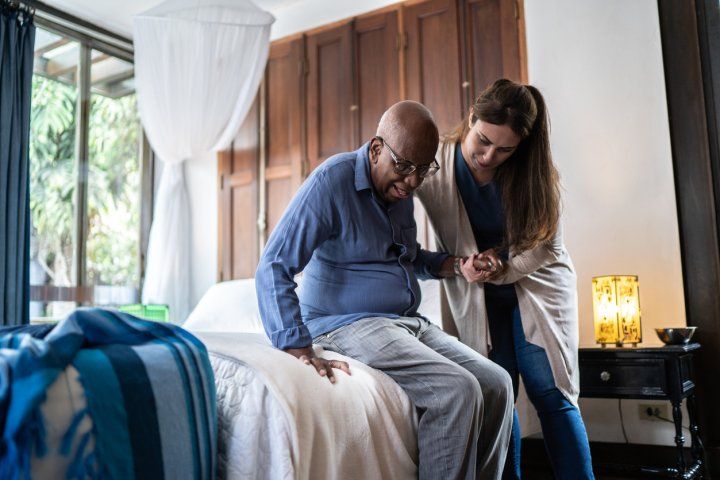
When appointments are frequent, caregivers may struggle to meet both medical and daily care needs without feeling rushed or exhausted.
Challenges Families Commonly Face
Balancing appointments and daily care becomes especially difficult when:
- Family members live far away
- Caregivers are managing work and childcare
- Seniors require assistance before and after appointments
- Appointments are spread across multiple providers
- Recovery time varies from day to day
Without consistent support, seniors may miss meals, skip medications, or feel disoriented after appointments — increasing health risks.
Strategies for Balancing Medical and Daily Care
While every situation is different, the following strategies can help families manage care more effectively.
1. Centralize Scheduling and Information
Keeping all appointment details in one place reduces stress and confusion. A centralized calendar that includes appointment times, locations, preparation instructions, and follow-up tasks helps caregivers stay organized.
Tracking medications, provider instructions, and changes in condition ensures nothing is overlooked.
2. Build Flexible Daily Routines
Seniors often benefit from predictable routines, but flexibility is key when appointments are involved. On appointment days, daily care tasks may need to be simplified or adjusted.
Planning lighter activities, earlier meals, or additional rest time helps seniors recover and maintain comfort.
3. Plan for Pre- and Post-Appointment Needs
Appointments don’t start and end at the doctor’s office. Seniors may need help getting ready, managing anxiety beforehand, and resting afterward.
Support may include:
- Assistance with dressing and hygiene
- Transportation coordination
- Monitoring fatigue or dizziness afterward
- Ensuring meals and medications stay on schedule
Ignoring these needs can lead to exhaustion or safety risks.
4. Share Responsibilities When Possible
Caregiving does not have to fall on one person alone. When families share responsibilities — even in small ways — the burden becomes more manageable.
This may include:
- Rotating appointment transportation
- Dividing daily care tasks
- Bringing in professional support for specific needs
Knowing when to ask for help is a sign of strength, not failure.
How Home Care Supports Appointment and Daily Care Balance
Professional home care services are often the missing link for families struggling to manage both medical appointments and daily care. Home care provides consistent, reliable support that adapts to the senior’s schedule and health needs.

Home care caregivers can assist with:
- Preparing seniors for appointments
- Supporting daily routines before and after visits
- Medication reminders and monitoring
- Meal preparation and hydration
- Mobility assistance and fall prevention
- Companionship during recovery periods
This continuity ensures seniors are supported throughout the entire day — not just during appointments.
Reducing Stress for Seniors and Families
When care is disorganized or rushed, seniors may feel anxious, confused, or burdensome. A balanced care approach reduces stress by creating structure and predictability.
Benefits include:
- Fewer missed medications or meals
- Improved recovery after appointments
- Reduced caregiver burnout
- Better communication between family members
Consistency and professional support help seniors feel secure and cared for, even during busy medical schedules.

When Care Needs Increase Over Time
As health conditions progress, appointments may become more frequent and recovery time longer. At this stage, families may need to reassess whether current support is sufficient.
Indicators that additional help may be needed include:
- Increasing fatigue after appointments
- Missed care tasks or medications
- Caregiver stress or burnout
- Safety concerns at home
Planning ahead allows families to adjust care gradually rather than reacting during a crisis.
How Vanguard Homecare Solutions Helps Coordinate Care
This integrated approach is central to Vanguard Homecare Solutions. Vanguard Homecare Solutions understands that senior care is not limited to medical visits — it includes everything that happens before, between, and after them.
Vanguard Homecare Solutions provides:
- Personalized home care services that support daily routines
- Flexible care plans designed around medical schedules
- Consistent caregiver support to reduce gaps in care
- Guidance for housing placement if care needs exceed what can be managed at home
By focusing on the full picture, Vanguard helps families create a sustainable care strategy that supports both health and quality of life.
Creating Balance Without Burnout
Balancing medical appointments and daily care is one of the most common challenges families face when supporting aging loved ones. Without proper support, caregivers may feel overwhelmed and seniors may feel unsettled.
A thoughtful combination of planning, shared responsibility, and professional home care creates balance — allowing seniors to receive the medical attention they need while maintaining comfort, dignity, and routine at home.
With expertise in senior care, home care, and housing placement, Vanguard Homecare Solutions serves as a trusted partner for families navigating complex care schedules. The right support makes it possible to care for seniors without sacrificing stability, well-being, or peace of mind.