
Healing happens best at home, but safety comes first. Learn the essential home modifications and support strategies needed for a successful stroke recovery in Maryland.
A stroke is a “lightning strike” event. One moment, life is proceeding as usual; the next, everything has changed. For survivors and their families, the journey that follows is often described as a rollercoaster of progress, setbacks, and profound adjustments.
Once the initial hospitalization and rehabilitation phases are complete, the goal is almost always the same: to get back home. Home is where the heart is, and research consistently shows that patients recover faster and with better morale when they are in familiar surroundings. However, the home environment that was comfortable before the stroke can suddenly become an obstacle course of hazards for a survivor with new physical or cognitive limitations.
Recovering at home is a significant milestone, but it requires preparation. It demands a shift from a “living space” to a “healing space.” If you are preparing to bring a loved one home after a stroke in the Oxon Hill or greater Maryland area, this guide will help you navigate the essential modifications and support systems needed for a safe journey.
Phase 1: The “Hardware” – Essential Home Modifications
Post-stroke deficits often include hemiparesis (weakness on one side of the body), balance issues, and vision changes. Your first priority is fall prevention. A fall for a stroke survivor can be catastrophic, setting recovery back by months.
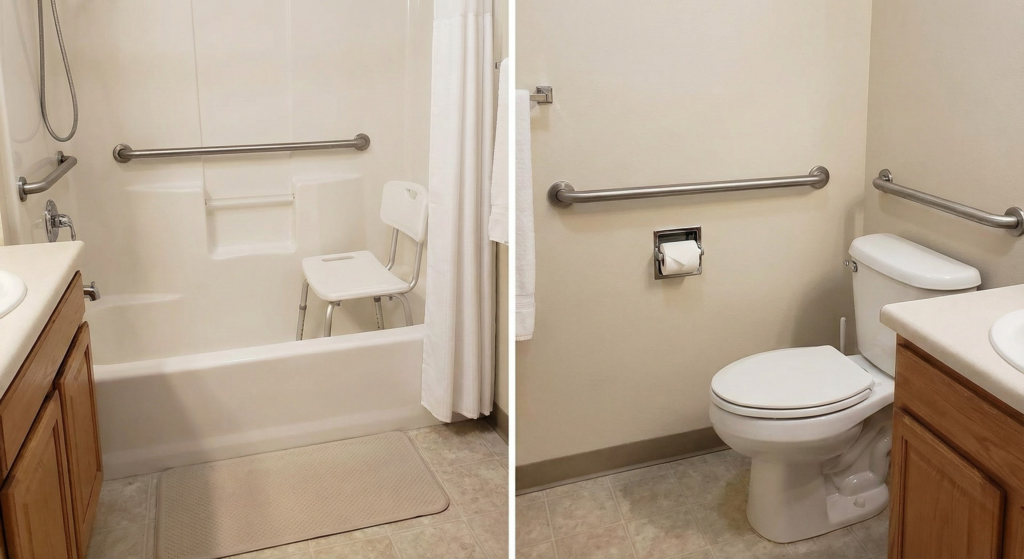
1. The Bathroom: Creating a Safety Zone The bathroom is statistically the most dangerous room in the house.
- Grab Bars are Non-Negotiable: Do not rely on towel racks; they are not designed to support human weight. Install ANSI-compliant grab bars in the shower and near the toilet.
- Seating: A shower chair or transfer bench allows the survivor to bathe independently without the fatigue of standing.
- Toilet Height: Standard toilets are often too low for someone with weak leg muscles. A raised toilet seat with armrests can make standing up significantly easier and safer.
- Non-Slip Everything: Remove fluffy bath mats that can trip shuffling feet. Use non-slip decals or rubber mats inside the tub and secure, low-profile mats outside it.
2. The Bedroom: Accessibility and Ease
- Bed Height: The mattress should be at a height where the survivor’s feet touch the floor flatly when sitting on the edge. If the bed is too high, they may slide off; too low, and they may struggle to stand.
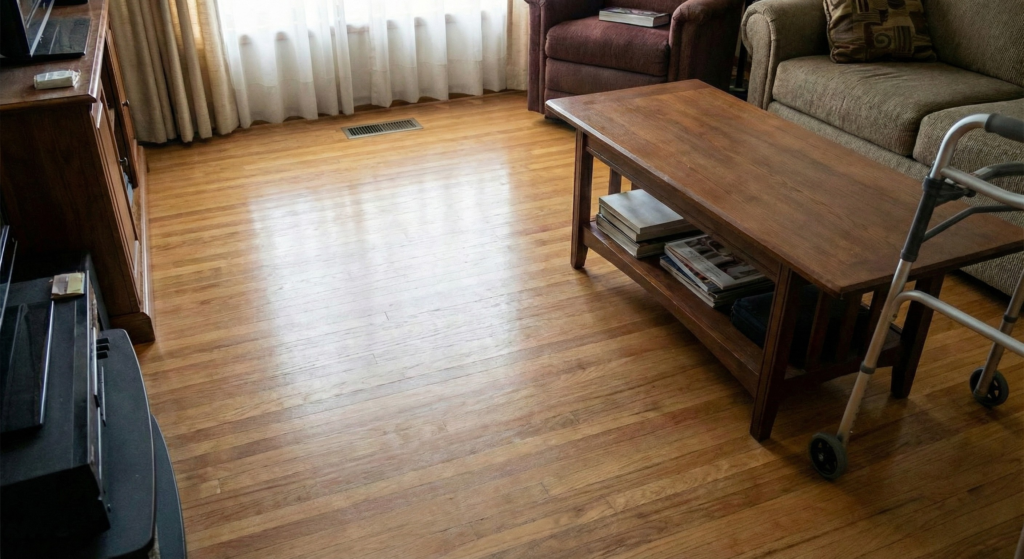
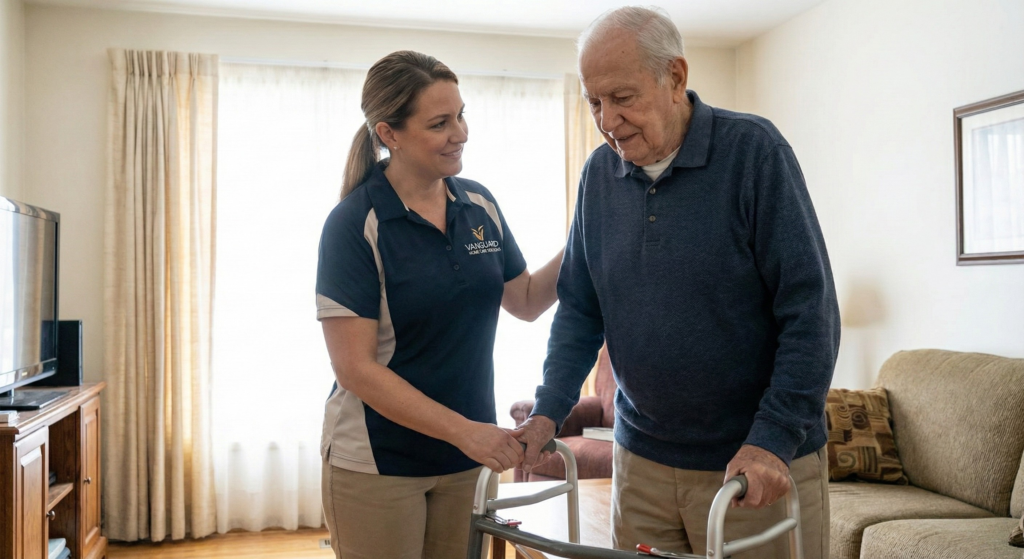
- Clear Pathways: A stroke survivor often drags a foot or uses a walker. There must be a wide, clear path from the bed to the bathroom. This means removing decorative furniture, laundry baskets, and cords.
- Bed Rails: Simple bed rails can provide leverage for rolling over or sitting up, promoting independence in bed mobility.
3. General Living Areas
- The “Rug Rule”: Area rugs and throw rugs are the enemy of walkers and weak legs. It is best to remove them entirely. If you must keep them, tape down all edges with industrial-grade double-sided tape.
- Lighting: Post-stroke vision issues are common. Increase the wattage in hallway bulbs and install nightlights along the path from the bedroom to the bathroom.
- Doorways: If a wheelchair is needed, standard bathroom doors may be too narrow. Offset hinges (swing-clear hinges) are an inexpensive hardware store fix that adds precious inches to the doorway width without construction.
Phase 2: The “Software” – Care and Routine Support
Modifying the house is the visible part of the challenge. Modifying the lifestyle is the invisible, often harder part. Recovery is a full-time job, and the “software”—the daily care and routines—must be programmed correctly.
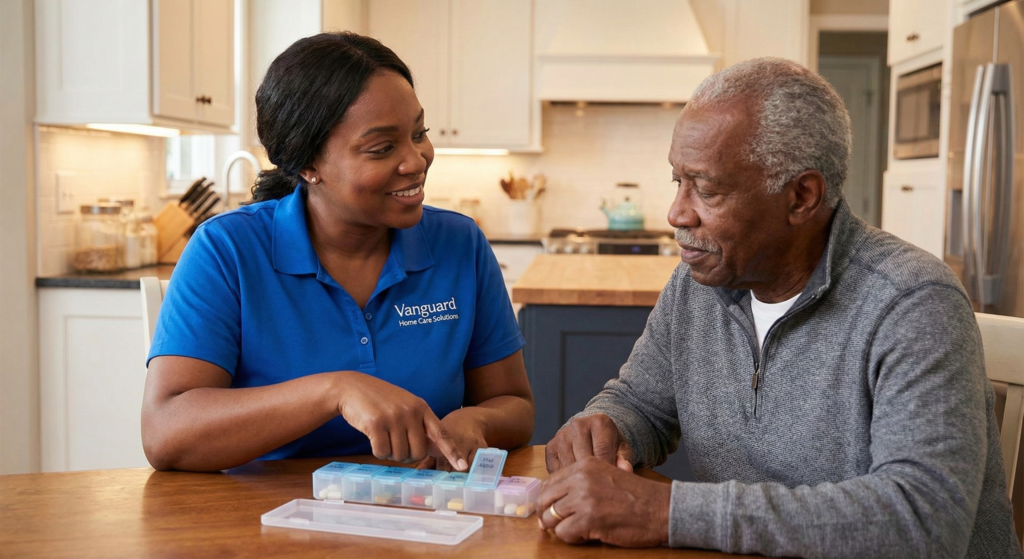
1. Medication Management Stroke survivors often leave the hospital with a complex regimen of blood thinners, blood pressure medications, and statins. Missed doses are a primary cause of recurrent strokes.
- Systemize It: Don’t rely on memory. Use pill organizers with AM/PM slots.
- Create a Log: Keep a physical notebook or use an app to log every dose taken. This is crucial for family members sharing care duties to avoid double-dosing.
2. The Importance of Routine and Rest “Neuro-fatigue” is real. The brain is working overtime to rewire itself (neuroplasticity). A survivor may sleep 10-12 hours a day and still feel exhausted.
- Schedule Naps: Build rest into the daily schedule just like physical therapy.
- Pacing Activities: Don’t cluster all demanding tasks (bathing, PT exercises, social visits) in the morning. Spread them out to conserve energy.
3. Emotional Support and Patience Depression and anxiety are common after a stroke, affecting both the survivor and the caregiver. The survivor is grieving the loss of their former capabilities.
- Celebrate Small Wins: Recovery is slow. Celebrate the first time they button a shirt alone or walk to the mailbox.
- Watch for Aphasia Frustration: If speech is affected, give them time to answer. Don’t rush to fill the silence. Use flashcards or whiteboards if necessary.
The Caregiver’s Burden
Perhaps the most overlooked element of stroke recovery at home is the toll it takes on the primary caregiver. Family members often thrust themselves into the role of nurse, therapist, and cheerleader, often at the expense of their own health.
“Caregiver burnout” is not a sign of weakness; it is a side effect of caring too much. You cannot pour from an empty cup. If the primary caregiver collapses from exhaustion, the entire home recovery plan falls apart. This is where recognizing the need for external support becomes a strength, not a failure.
How Vanguard Home Care Solutions Can Help
Navigating life after a stroke is complex, but you do not have to do it alone. At Vanguard Home Care Solutions, based right here in Oxon Hill, MD, we specialize in bridging the gap between hospital care and home independence.
We understand that every stroke is unique, and so is every home. That’s why we don’t offer cookie-cutter solutions.
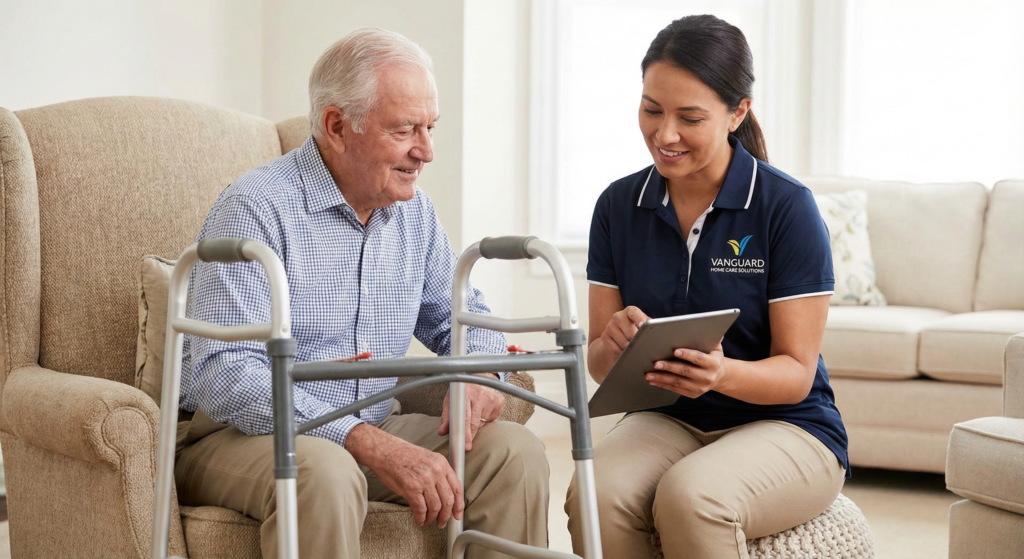
- Personalized Care Assessments: We can visit your home before or immediately after discharge to identify safety hazards and recommend specific modifications tailored to your loved one’s mobility level.
- Resource Matching: Need a reliable physical therapist who does home visits in Prince George’s County? Need help finding medical equipment? Our “In-Home & Community Resource Matching” service connects you with trusted local providers.
- Respite & Companion Care: Recovery is a marathon. We provide compassionate professionals to step in and sit with your loved one, assist with meals, or simply provide companionship. This gives family caregivers the crucial time they need to recharge, run errands, or simply rest, knowing their loved one is safe.
- Care Transitions: We act as your partner during the chaotic discharge process, ensuring medications are understood, follow-up appointments are made, and the transition from hospital to home is seamless.
Your goal is to see your loved one regain their independence. Our goal is to provide the support and strategy to make that happen.
Contact Vanguard Home Care Solutions today. Let us help you build a safer, more supported path to recovery.
📞 +1 301-327-1444 | 📧 info@vanguardcaresolutions.com