
Preventing Health Crises Through Early Intervention

Health emergencies rarely happen without warning. In many cases, the body sends signals days or even weeks before a serious medical event occurs. These signals are often subtle — a change in energy levels, appetite, balance, or mental clarity. Unfortunately, these early indicators are frequently overlooked. Families may assume the changes are simply part of […]
When Mild Dizziness Indicates Something More Serious

Dizziness is a common complaint, especially among older adults. Many people experience it occasionally — standing up too quickly, skipping a meal, or feeling momentarily off balance. In many cases, the sensation passes quickly and seems harmless. Because of this, mild dizziness is often dismissed. But when dizziness begins to appear more frequently, lasts longer, […]
Why Sudden Appetite Changes Can Signal Health Problems

Appetite naturally changes throughout life. Some days people feel hungrier than usual. Other days they may eat less. These fluctuations are normal and usually temporary. But when a senior who normally eats well suddenly loses interest in food — or begins eating significantly less — it may be more than a simple change in preference. […]
How Energy Changes Reveal Health Risks

Energy levels are one of the most overlooked indicators of health. For many seniors, a noticeable change in energy is often dismissed as “just aging.” A slower pace, longer naps, or reduced activity can seem like a normal part of getting older. But sometimes, changes in energy are not simply about aging. They can be […]
Building a Care Strategy Before It’s Urgent

Most families begin planning care during a crisis. A fall.A hospital admission.A sudden medical diagnosis.A moment when everything changes quickly. Decisions that affect long-term health, living arrangements, and medical oversight are often made under intense pressure. But reactive decisions rarely lead to the best outcomes. The strongest care plans are not created in emergencies. They […]
Preventing Diabetic Emergencies Through Monitoring
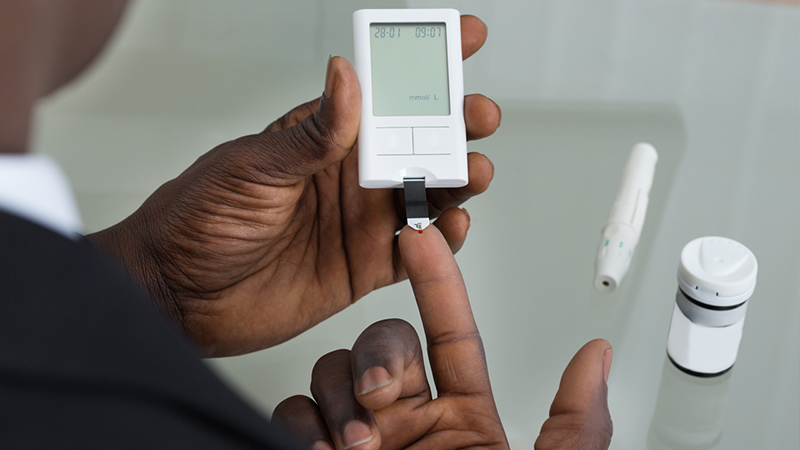
Diabetes is manageable. Diabetic emergencies are often preventable. Yet for many seniors, fluctuations in blood sugar quietly build until they result in emergency room visits, hospital admissions, or serious complications. The difference between stability and crisis is rarely luck. It is monitoring. For older adults living with diabetes, daily oversight — not occasional appointments — […]
The Post-Discharge Mistakes Families Make

Hospital discharge feels like relief. The crisis is over. The immediate danger has passed. Your loved one is coming home. But for many seniors, discharge is not the end of the medical event — it is the beginning of the most fragile phase of recovery. The first 30 days after hospitalization carry the highest risk […]
Why Seniors Return to the ER Within 30 Days

A hospital discharge is often treated as the finish line. In reality, it is the beginning of the most vulnerable period. For many seniors, the first 30 days after leaving the hospital carry the highest risk for returning to the emergency room. Nationally, hospital readmissions among older adults remain a persistent issue — not because […]
The Hidden Causes of Sudden Exhaustion

Fatigue is common, especially in older adults. But sudden exhaustion is different. When someone who was functioning well suddenly becomes unusually tired, weaker, or unable to complete normal daily tasks, it is rarely “just aging.” Sudden exhaustion is often the body’s early warning signal that something deeper is happening. And ignoring it can lead to […]
When Fatigue Signals Something More Serious

Fatigue is common in older adults. A slower pace.An afternoon nap.Less stamina than before. These changes are often attributed to aging. But sometimes, fatigue is not simply tiredness. Sometimes, it’s the first warning sign that something more serious is developing. And when overlooked, it can quietly lead to hospitalization. Not All Fatigue Is the Same […]